If you are trying to decide between a new neighborhood and an established one in Suwanee, you are not alone. It is one of the most important choices you will make because the right fit is about more than the house itself. Your budget, daily routine, maintenance comfort, and long-term plans all matter. This guide will help you compare both options in a practical way so you can focus your search with more confidence. Let’s dive in.
Why this choice matters in Suwanee
Suwanee offers a mix of newer communities, older subdivisions, and evolving areas near downtown. The city sits about 30 miles north of Atlanta, and its growth pattern connects downtown, established residential areas, and commercial corridors.
That matters because your experience can feel very different depending on where you buy. A home near Town Center may offer easier access to dining, parks, and events, while an established neighborhood farther out may offer a more traditional suburban setting with larger lots and older trees.
Suwanee is also a competitive market. Redfin reported a median sale price of $564,912 for the three months ending May 2026, with homes selling in about 24 days on average.
New construction is available, but it appears relatively concentrated. NewHomeSource lists four active builders and four communities in Suwanee, with starting prices ranging from $373,990 to $829,000.
New vs. established neighborhoods
Price can overlap
In Suwanee, newer does not always mean more expensive. Some new-build townhomes or smaller homes may compete with resale pricing, while larger new homes can rise well above the citywide median.
That is why you should compare the full picture instead of assuming one category is automatically a better value. A resale home may offer more lot space, while a new home may offer lower near-term repair needs.
Monthly costs may look different
Newer communities in Suwanee are often built around amenities. Recent examples have included features like pools, cabanas, playgrounds, pocket parks, and swim amenities.
Those features can be appealing, but they usually come with HOA dues and community rules. When you compare homes, treat HOA costs as part of your monthly budget, not as a side note.
Lot size and streetscape often change the feel
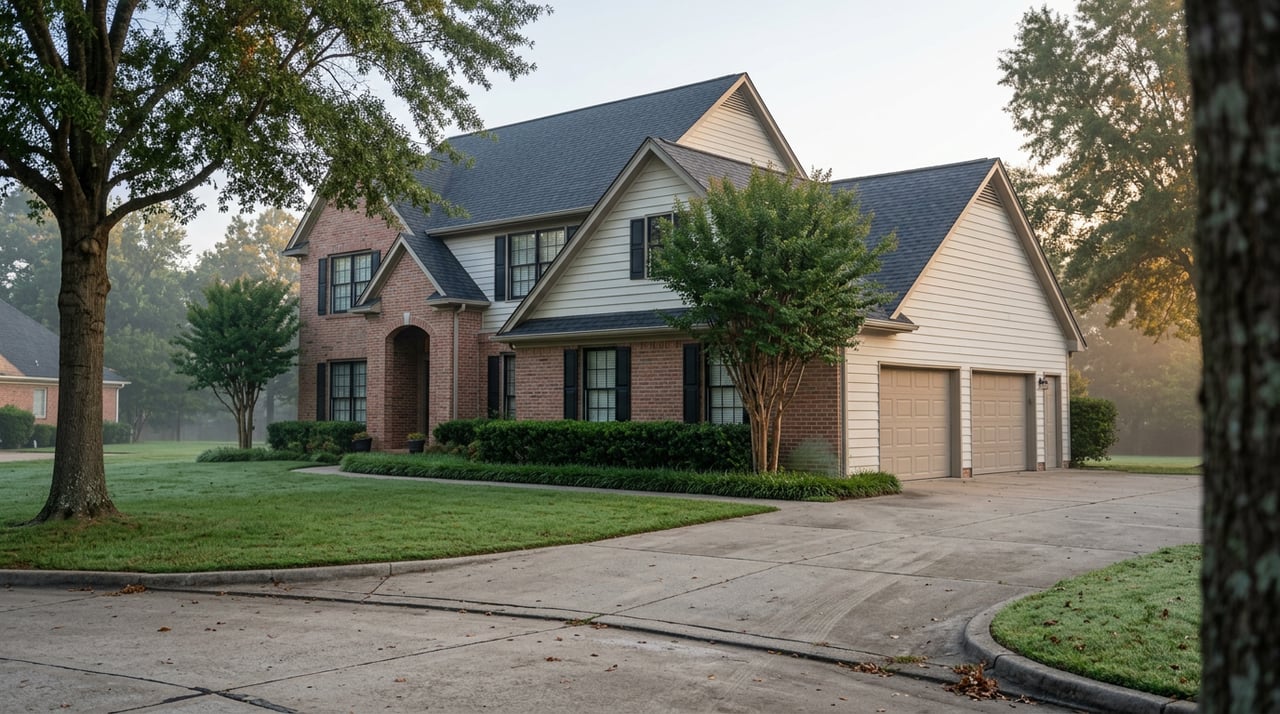
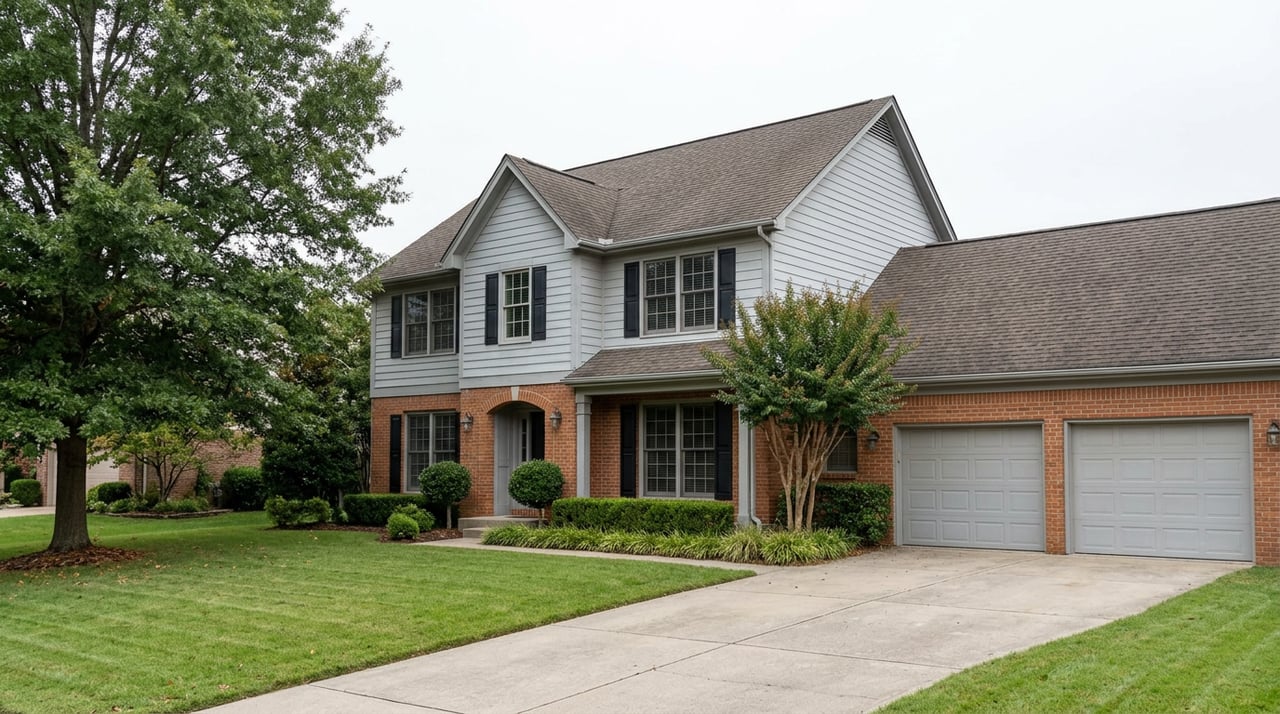
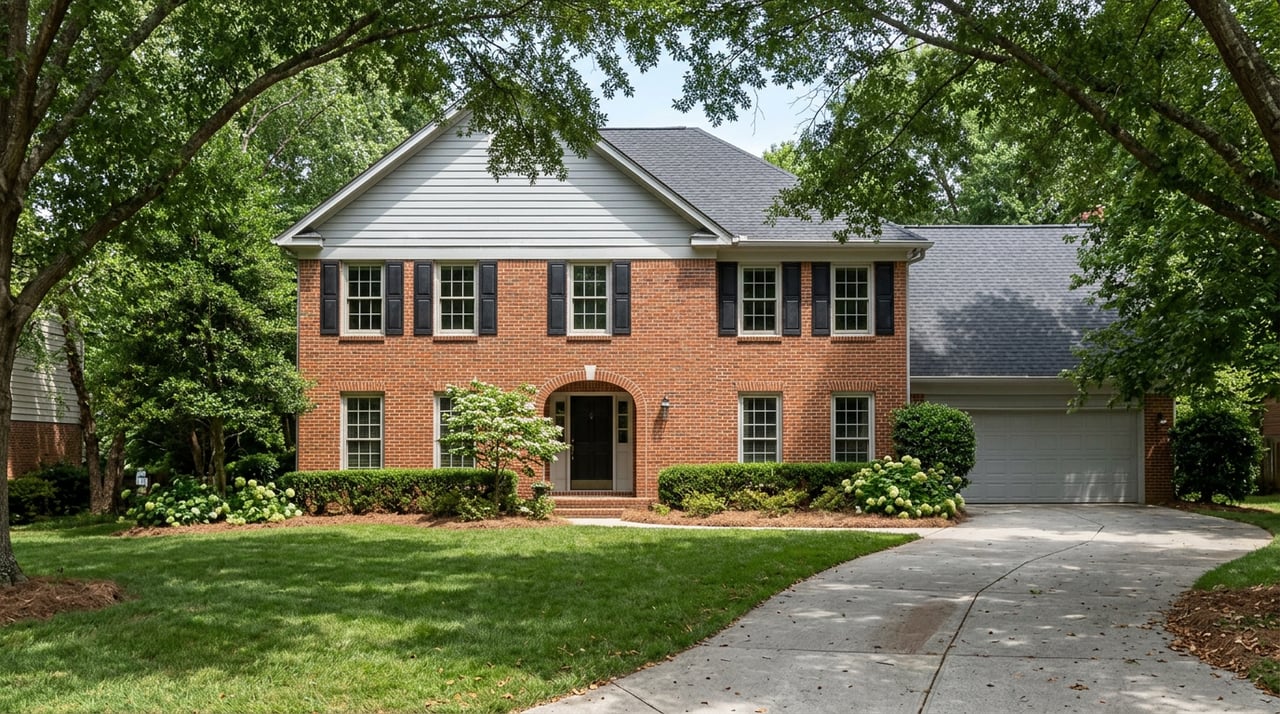
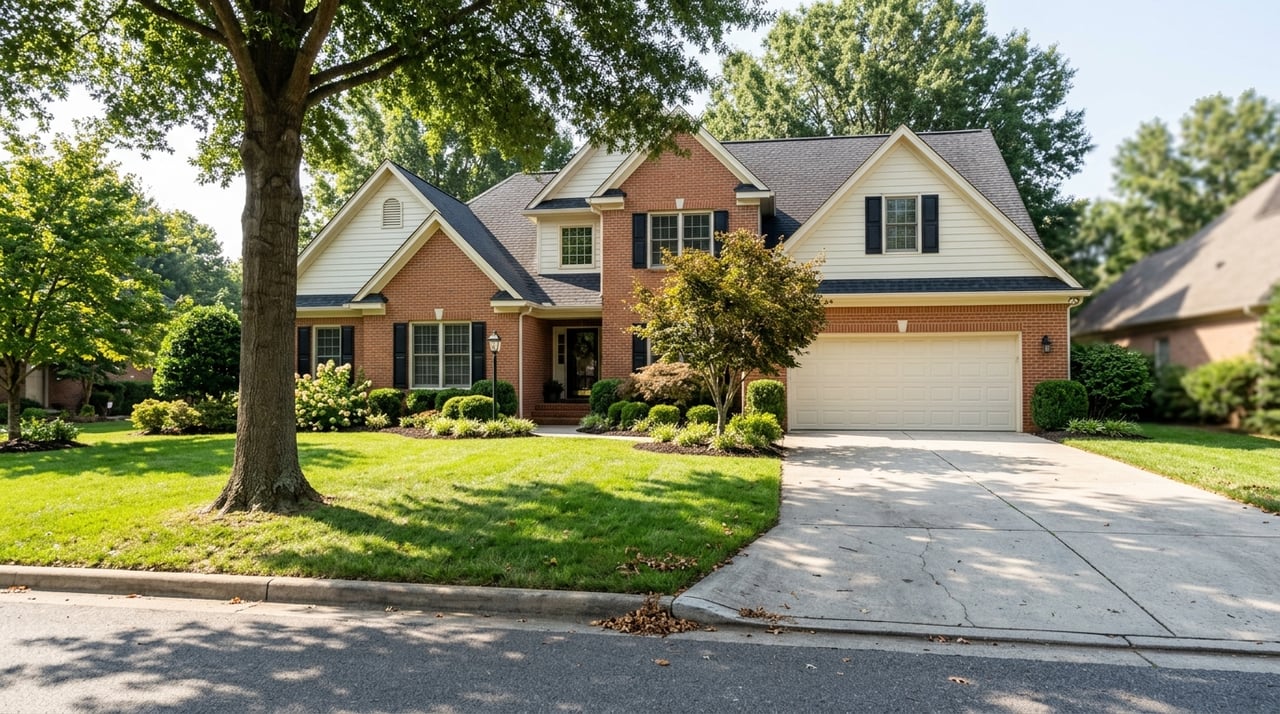
Established neighborhoods in Suwanee are more likely to include mature trees, older street patterns, and larger lots. The city’s plan for Suwanee North specifically describes low-density, large-lot, single-family housing, with many homes built in the 1980s and 1990s and some in the 1970s.
The same plan notes that older homes may sit on larger rural-type lots, while newer homes may be on smaller, denser lots. It also notes that some older neighborhoods may lack sidewalks.
Walkability varies by area
If being close to restaurants, shops, parks, and events is important to you, location within Suwanee matters a lot. Town Center is described by the city as the heart of the community and a destination for dining, shopping, recreation, and events.
Old Town also offers a more traditional setting with both residential and commercial uses. By contrast, established neighborhoods farther from downtown often feel more suburban and less walkable for daily errands.
What new neighborhoods may offer
Lower-maintenance living
Many buyers are drawn to new neighborhoods because they want newer finishes and fewer immediate repair concerns. If you prefer a more move-in-ready experience, new construction can be appealing.
This can be especially helpful if you have a busy schedule or want a home that may need less attention in the first years of ownership. That said, you still need to understand warranties, builder timelines, and what is included in the price.
Amenities and uniform design
New communities often attract buyers who want shared amenities and a more consistent neighborhood appearance. In Suwanee, recent new-home examples have emphasized things like pools, cabanas, playgrounds, and low-maintenance living.
If those features match your lifestyle, a new neighborhood may be a strong fit. Just make sure you are comfortable with the dues, rules, and the level of control the HOA may have over landscaping, fences, and exterior changes.
Better access in select infill areas
Some of Suwanee’s newer options are located in or near areas that continue to evolve. Around Town Center and downtown, for example, newer homes can place you closer to parks, shopping, dining, and community events.
Other visible pockets for recent construction or infill include the McGinnis Ferry and Peachtree Industrial area, the Suwanee Gateway and Exit 111 corridor, and smaller close-in neighborhoods near the heart of Suwanee.
What established neighborhoods may offer
Larger lots and mature landscaping
If you picture a home with more yard space and an established tree canopy, older neighborhoods may stand out. In Suwanee, established areas are more likely to deliver that settled feel many buyers want.
This can create a different kind of value. You may trade some new-home finishes for a lot that feels more spacious or private.
A more settled neighborhood fabric
Established neighborhoods often have a look and rhythm that takes time to develop. Streets, trees, and home placements may feel less uniform and more rooted.
In Suwanee, the city identifies Suwanee North as a key established-neighborhood area. Neighborhoods named in the city plan include Bayswater Commons, Abbey Hill, Ruby Forest, Morningside, McGinnis Reserve, Mill Creek, Chattahoochee Run, Lansfaire, Forest Plantation, Stoneridge, and Lansdowne.
Historic character in Old Town
Old Town is another mature pocket to consider. The city notes that residential and commercial buildings there date from 1871 to the early 1960s.
If you value a more traditional setting near the historic core, this area may be worth a closer look. Inventory and home styles can vary, so it helps to be clear about what features are must-haves and where you can be flexible.
Where to look in Suwanee
Areas where newer options are easier to find
If you want to start with new or newer communities, focus on these parts of Suwanee:
- Town Center and downtown for mixed-use living and close access to parks, dining, and events
- McGinnis Ferry and Peachtree Industrial for newer townhome-style options and amenity-focused communities
- Suwanee Gateway and Exit 111 for redevelopment activity and newer attached-home pockets
- Smaller close-in neighborhoods near Town Center and Sims Lake Park for more intimate new-home settings
Areas where established neighborhoods stand out
If you want a more settled suburban feel, focus on these pockets:
- Suwanee North around Moore Road, Settles Bridge, and Meadowbrook Circle
- Old Town for mature homes and a historic setting
- Residential areas farther from downtown for larger-lot suburban patterns that align with the city’s longer-term vision
One important detail: some homes with a Suwanee mailing address are actually in unincorporated Gwinnett County. Before you move forward on any home, confirm whether the property is inside the incorporated city.
Questions to ask before you choose
Questions for a builder
If you are considering new construction, ask:
- What is included in the base price, and what counts as an upgrade?
- How do upgrades affect the total monthly payment?
- What are the HOA dues, and what do they cover?
- Are there master-association fees, transfer fees, or planned special assessments?
- What is the lot size and setback pattern?
- What are the fence, irrigation, and landscaping policies?
- What warranty coverage comes with the home?
- What happens if punch-list items remain after closing?
These questions matter because amenity-rich new communities can carry costs that go beyond the list price.
Questions for a resale seller
If you are leaning toward an established neighborhood, ask:
- How old are the roof, HVAC, water heater, and major appliances?
- What repairs or updates have already been completed?
- Does the lot drain well?
- Are there any drainage, grading, or septic issues?
- What are the HOA dues and rules?
- Are any assessments expected?
- How much yard upkeep does the home require?
These questions are especially useful in older parts of Suwanee, where larger lots, aging systems, and older neighborhood infrastructure can affect both cost and day-to-day maintenance.
How to decide what fits you best
Choose new if convenience leads your list
A newer neighborhood may fit you best if you want:
- Newer finishes
- Lower-maintenance living
- Shared amenities
- A more predictable community appearance
- Better proximity to Town Center or other evolving mixed-use pockets
This path often works well for buyers who want simplicity and a more turnkey feel.
Choose established if space and setting matter most
An established neighborhood may fit you best if you want:
- Larger lots
- Mature trees
- A more settled streetscape
- Less uniform home placement
- A more suburban feel farther from downtown
This option often appeals to buyers who care more about lot size and neighborhood character than having everything brand new.
The bottom line for Suwanee buyers
In Suwanee, the choice between new and established neighborhoods is really a choice about lifestyle, location, and how you want to spend your housing budget. Buyers who want walkability, newer finishes, and lower-maintenance living may want to start near Town Center, Old Town infill, and the McGinnis Ferry, Peachtree Industrial, or Gateway corridors.
Buyers who want larger lots, mature landscaping, and a more settled neighborhood feel may want to focus on Suwanee North and other established residential pockets. If you want help narrowing down the right fit for your budget and priorities, David Huang can help you compare neighborhoods, weigh tradeoffs, and move forward with a clear plan.
FAQs
What is the main difference between new and established neighborhoods in Suwanee?
- Newer neighborhoods in Suwanee often offer amenities, newer finishes, and lower-maintenance living, while established neighborhoods are more likely to offer larger lots, mature trees, and a more settled suburban feel.
Where can you find new construction in Suwanee?
- Newer options are most visible around Town Center and downtown, near McGinnis Ferry and Peachtree Industrial, in the Suwanee Gateway and Exit 111 corridor, and in smaller close-in neighborhoods near the heart of Suwanee.
Where should you look for established neighborhoods in Suwanee?
- Established neighborhood pockets are especially visible in Suwanee North, around Moore Road, Settles Bridge, and Meadowbrook Circle, as well as in Old Town and other residential areas farther from downtown.
Are new homes always more expensive than resale homes in Suwanee?
- No. The research shows active new-home options ranging from $373,990 to $829,000, while the citywide median sale price was $564,912 for the three months ending May 2026, so pricing can overlap depending on home type and size.
What should you ask when buying a new home in Suwanee?
- Ask about base price versus upgrades, HOA dues and fees, lot size, landscaping rules, warranty coverage, and how unfinished punch-list items are handled after closing.
What should you ask when buying an older home in Suwanee?
- Ask about the age of major systems, past repairs, drainage, grading or septic issues, HOA rules and assessments, and how much yard maintenance the property may require.
Why should you confirm whether a home is inside Suwanee city limits?
- Some properties have a Suwanee mailing address but are actually in unincorporated Gwinnett County, so it is important to confirm the property’s actual jurisdiction before moving forward.