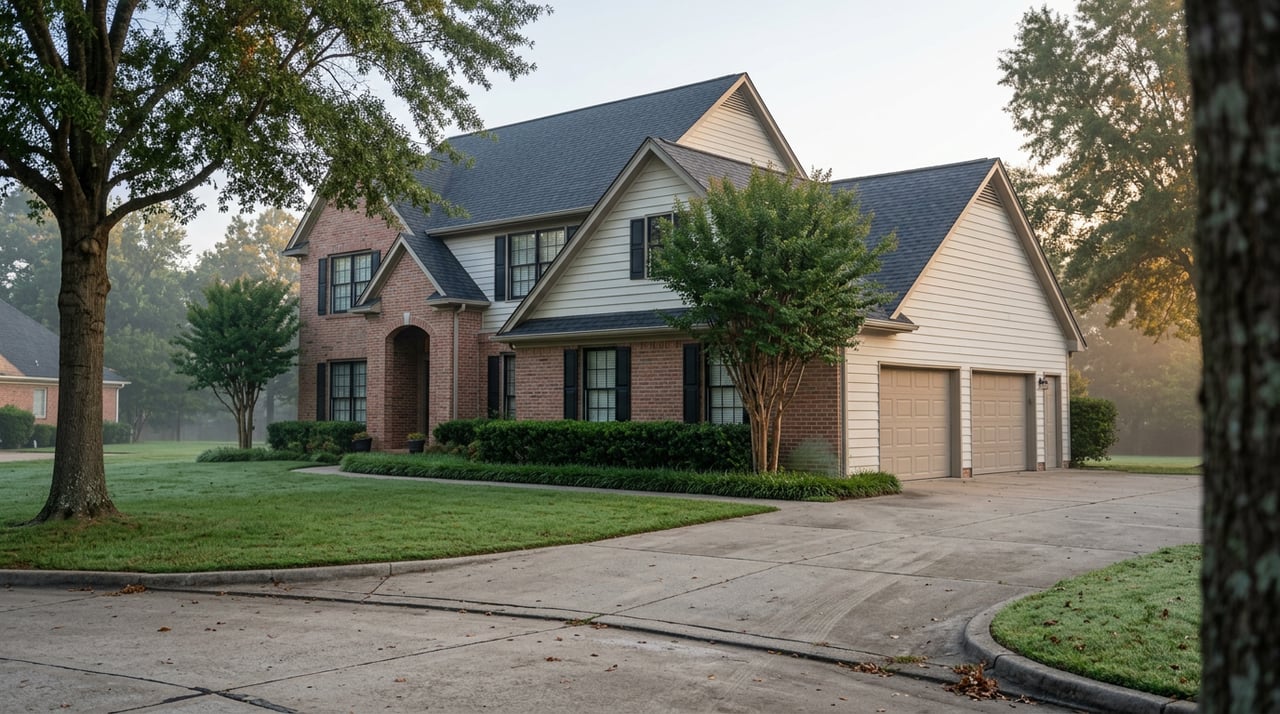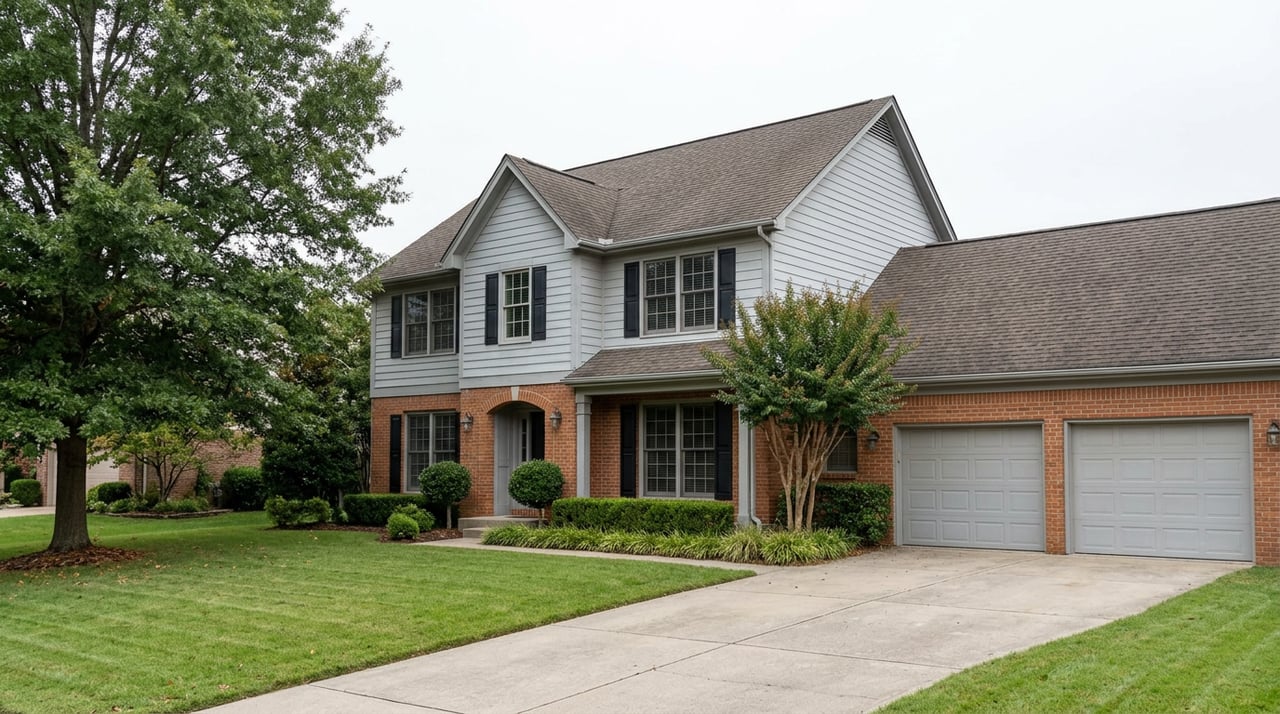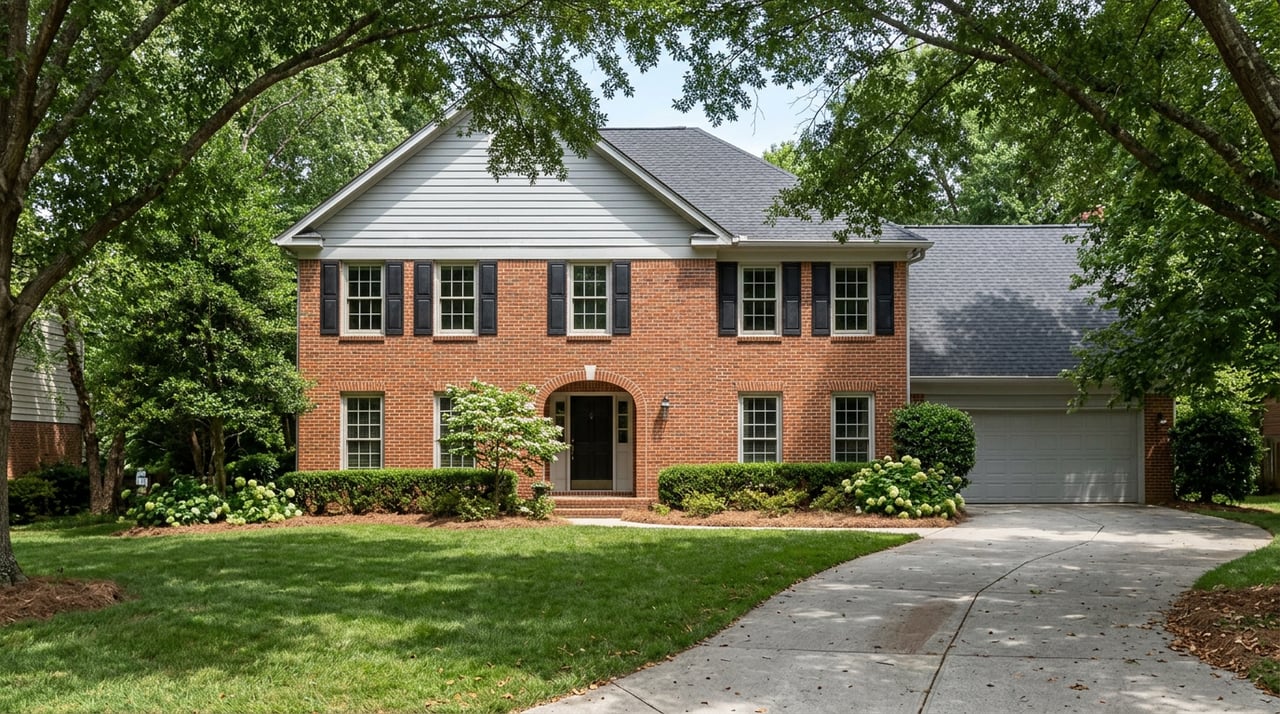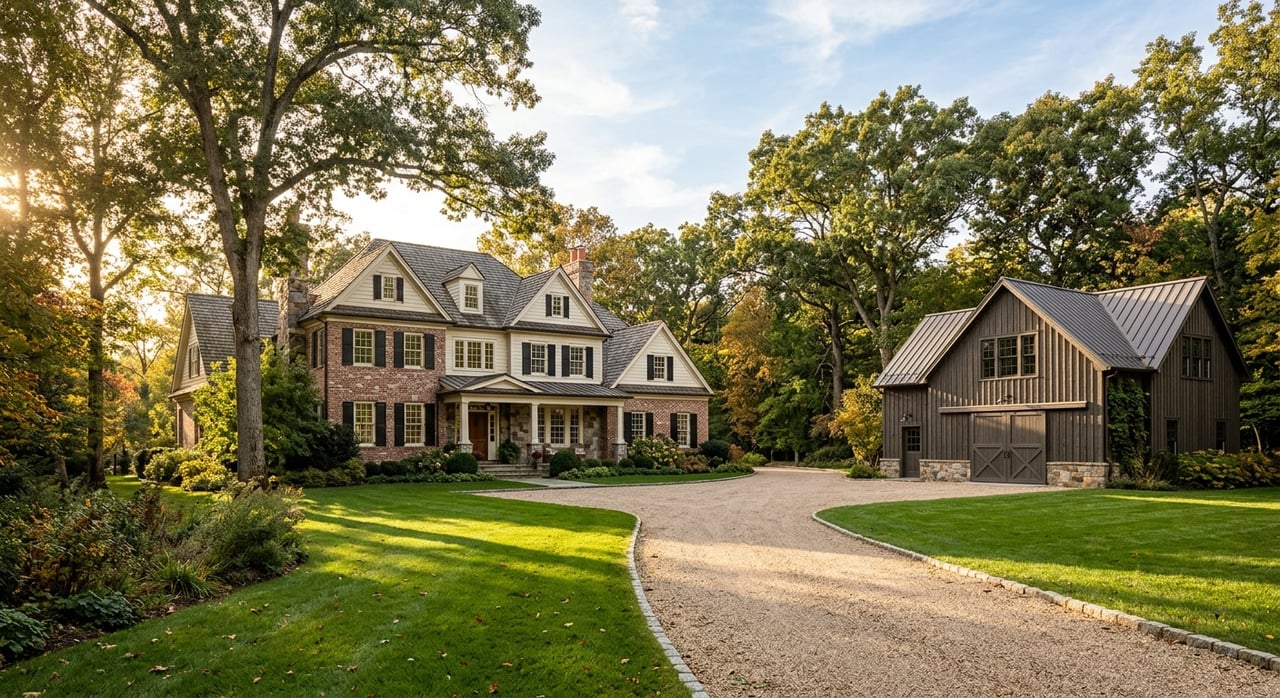
If you are looking for luxury in North Fulton, Milton often stands apart for one simple reason: land. Many buyers want more than a beautiful house. You may want privacy, room for outdoor living, or even a property that fits an equestrian lifestyle. This guide will help you understand what makes Milton unique, what luxury usually means here, and how to decide whether it fits your goals. Let’s dive in.
Why Milton Feels Different
Milton describes itself as “rural but not remote,” and that phrase captures the city well. Official city materials say about 85% of Milton’s more than 39 square miles are agriculturally zoned. In practical terms, that means residential lots are generally at least 1 acre, which creates a very different feel from denser suburban areas.
That land-use pattern shapes nearly everything about the market. When you drive through Milton, you are more likely to notice open land, estate lots, and privacy buffers than tightly packed neighborhoods. For many buyers, that is the main appeal.
Milton’s equestrian identity is also a real part of the city, not just a branding theme. The city has a formal Milton Equestrian Committee and dedicated equestrian community resources. A 2024 city farm census found more than 200 active horse farms around Milton.
Another detail that matters is how Milton is organized. Buyers often understand the city best by corridor or district, with areas such as Crabapple, Deerfield, Arnold Mill, Birmingham Crossroads, and Highway 9 offering different settings and access points. Milton does not read like a city with one central downtown core, so location within Milton can shape your daily experience.
What Luxury Means in Milton
In many markets, luxury starts with square footage and interior finishes. In Milton, luxury often starts with the land itself. Buyers are often paying for acreage, privacy, barn potential, and flexibility for outdoor amenities just as much as they are paying for the home.
That makes Milton different from nearby suburban markets. A home with a large lot, long driveway, and room for horses or recreation may command strong interest even before you factor in custom finishes. The value is often tied to scarcity, because larger parcels are simply harder to find.
Milton’s planning approach reinforces that pattern. The city defines a “large lot” as 3 acres or more and has explored ways to preserve larger parcels and reduce density. Recent AG-1 lot-width changes were intended to support Milton’s rural character rather than push toward more compact development.
For buyers, that means the term luxury in Milton often includes:
- Larger lot sizes
- Greater privacy from neighboring homes
- Space for barns, paddocks, or riding areas, depending on zoning
- Room for pools, guest structures, or other outdoor features
- A stronger land component in the home’s total value
Milton’s Equestrian Appeal
If horses are part of your lifestyle, Milton deserves a close look. The city says horse farms are woven throughout Milton rather than concentrated in only one section. That gives the community a broader equestrian identity and helps explain why the market attracts buyers seeking this type of setting.
At the same time, you do not necessarily need to live on horse property to enjoy equestrian life here. Milton’s riding facility resources note that many people connect with the local horse community through riding facilities rather than by owning a farm. That can be helpful if you want access to riding without the responsibilities of managing a full equestrian property.
Zoning still matters. Official city materials note that outside agricultural zones, domestic animals are capped at five horses, mules, asses, or cows per premises. So if your goal is to keep horses at home or create a more involved equestrian setup, it is important to evaluate the property’s zoning and land type carefully.
This is one reason many buyers benefit from a very specific property search. In Milton, two homes can look similar online but offer very different long-term options based on acreage, layout, and zoning details.
Milton Market Snapshot
Milton’s pricing reflects its land-driven appeal. According to March 2026 Redfin data, Milton’s median sale price was $1.07M, with a median time on market of 34 days. That places it above some nearby North Fulton options.
For comparison, Alpharetta’s median sale price was $723,750 with 43 days on market, while Johns Creek’s median sale price was $665,000 with 25 days on market. Redfin described Milton and Alpharetta as somewhat competitive, while Johns Creek was very competitive.
The takeaway is straightforward. Milton often commands a premium because buyers are paying for land, privacy, equestrian flexibility, and the limited supply of larger parcels. If you are comparing communities only by home size or finishes, you may miss the real value driver here.
School Zones Require Address Verification
If schools are part of your home search, Milton requires a careful, address-by-address approach. Milton is part of Fulton County Schools, but school placement depends on the specific property. A Milton address does not automatically mean one standard feeder pattern.
Official Fulton County Schools pages list schools including Milton High School at 13025 Birmingham Highway, Cambridge High School at 2845 Bethany Bend, and Summit Hill Elementary at 13855 Providence Road. Summit Hill’s listed feeder schools include Hopewell Middle, Northwestern Middle, Cambridge High, and Milton High.
The practical point is simple: verify the attendance zone before making assumptions. This matters in Milton because the city spans multiple school boundaries and includes several schools with Milton addresses. For many buyers, school fit becomes a major part of narrowing down the right property.
When you are comparing homes, it helps to treat school zoning as a property-specific detail rather than a citywide feature. That small step can save you time and avoid disappointment later in the process.
Commute and Lifestyle Tradeoffs
Milton works best for buyers who prioritize space and setting. The city’s transportation planning materials note that many residents commute daily to the Perimeter and Downtown Atlanta, with GA 400 serving as the primary corridor. That gives you a clear picture of the tradeoff.
If you choose Milton, you are often choosing lifestyle first. You may gain acreage, privacy, and a more rural environment, but you may also accept longer drive times compared with more convenience-oriented suburbs. For many buyers, that is well worth it.
This is also where Milton differs from nearby alternatives. Alpharetta’s planning emphasis includes downtown redevelopment and the North Point activity center, while Johns Creek describes itself around suburban living, town center planning, parks, and connectivity. Those communities may fit better if you want a more conventional suburban setup with less land and easier access to concentrated amenities.
A simple way to think about it is this:
- Choose Milton if acreage, horses, privacy, and a strong land component matter most
- Choose Alpharetta if you want a more convenience-oriented suburban environment
- Choose Johns Creek if you want a lower median price point with a competitive suburban market
Who Milton Often Fits Best
Milton can be a great match if you are moving up in home size and want your property to do more for your lifestyle. You may want room for outdoor entertaining, space between neighbors, or a setting that feels quieter without being far removed from North Atlanta. In that case, Milton often checks boxes that other nearby markets cannot.
It can also be a smart choice for relocating buyers who want a distinctive North Fulton experience. If you are coming from a denser metro area, Milton’s larger lots and rural character can feel like a major lifestyle upgrade. At the same time, you will want to be realistic about commute patterns, school zoning, and the premium that comes with scarce land.
For equestrian-minded buyers, Milton stands out because the city’s identity and land-use structure already support that way of living. Even if you are not buying a horse property on day one, you may value being in a place where that culture and infrastructure are already part of the landscape.
What to Check Before You Buy
Because Milton properties can vary so much, due diligence matters. A polished listing may tell only part of the story if your goals depend on zoning, acreage, or school assignment.
Before you move forward on a Milton luxury or equestrian home, it helps to confirm:
- Total acreage and how the usable land lays out
- Whether the property is in an agricultural zone
- Whether your intended horse or barn use aligns with the property type
- Drive times to your most common destinations via GA 400
- The exact Fulton County school attendance zone for the address
- How the home’s value compares with nearby options in Milton, Alpharetta, and Johns Creek
A careful review upfront helps you focus on homes that truly fit your priorities, rather than just homes that look appealing online.
Final Thoughts on Milton Luxury Living
Milton is not the right fit for every buyer, and that is exactly why it stands out. It offers a specific kind of luxury rooted in land, privacy, flexibility, and an equestrian-friendly setting that is difficult to replicate elsewhere in North Fulton. If those features matter to you, Milton can be one of the most compelling lifestyle choices in the area.
The key is to evaluate each property through the right lens. In Milton, the lot, zoning, location within the city, school assignment, and commute tradeoffs can be just as important as the house itself. When you understand those factors clearly, you can make a much more confident decision.
If you are considering a move in North Fulton and want practical, data-informed guidance on Milton, Alpharetta, or nearby suburbs, David Huang can help you compare options and find the right fit for your goals.
FAQs
What makes Milton luxury homes different from other North Fulton homes?
- Milton luxury homes often stand out because of larger lots, privacy, agricultural zoning, and equestrian potential rather than just interior finishes.
What counts as a large lot in Milton?
- Milton defines a large lot as 3 acres or more in its planning materials.
Do you need to own a horse farm to enjoy Milton’s equestrian lifestyle?
- No. Milton notes that many residents experience equestrian life through local riding facilities instead of living on horse property.
How many horse farms are in Milton?
- A 2024 city farm census found more than 200 active horse farms around Milton.
Are school zones the same across all Milton addresses?
- No. Milton is part of Fulton County Schools, but school assignment is address-specific and should be verified for each property.
Is Milton more expensive than Alpharetta and Johns Creek?
- Based on March 2026 Redfin data, Milton had a higher median sale price at $1.07M, compared with $723,750 in Alpharetta and $665,000 in Johns Creek.
Is Milton a good fit for commuters?
- Milton can work well if you value space and privacy, but many residents commute via GA 400 to the Perimeter and Downtown Atlanta, so drive time is an important factor to weigh.