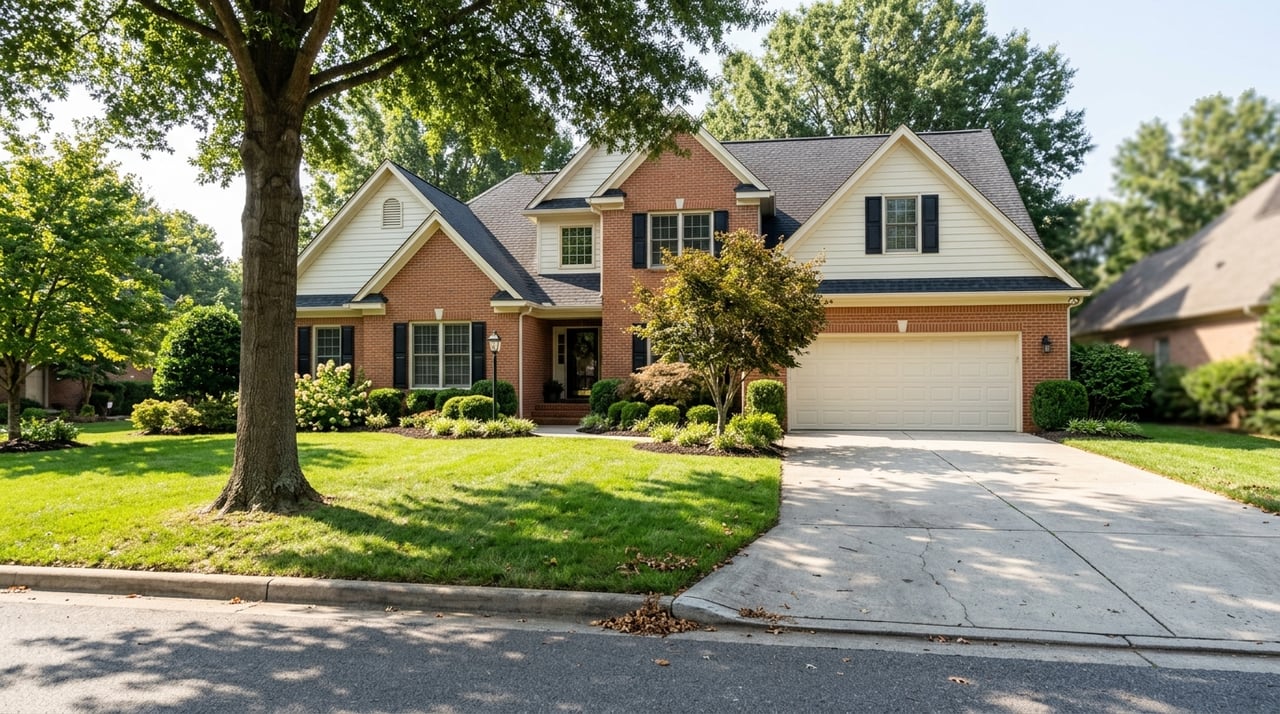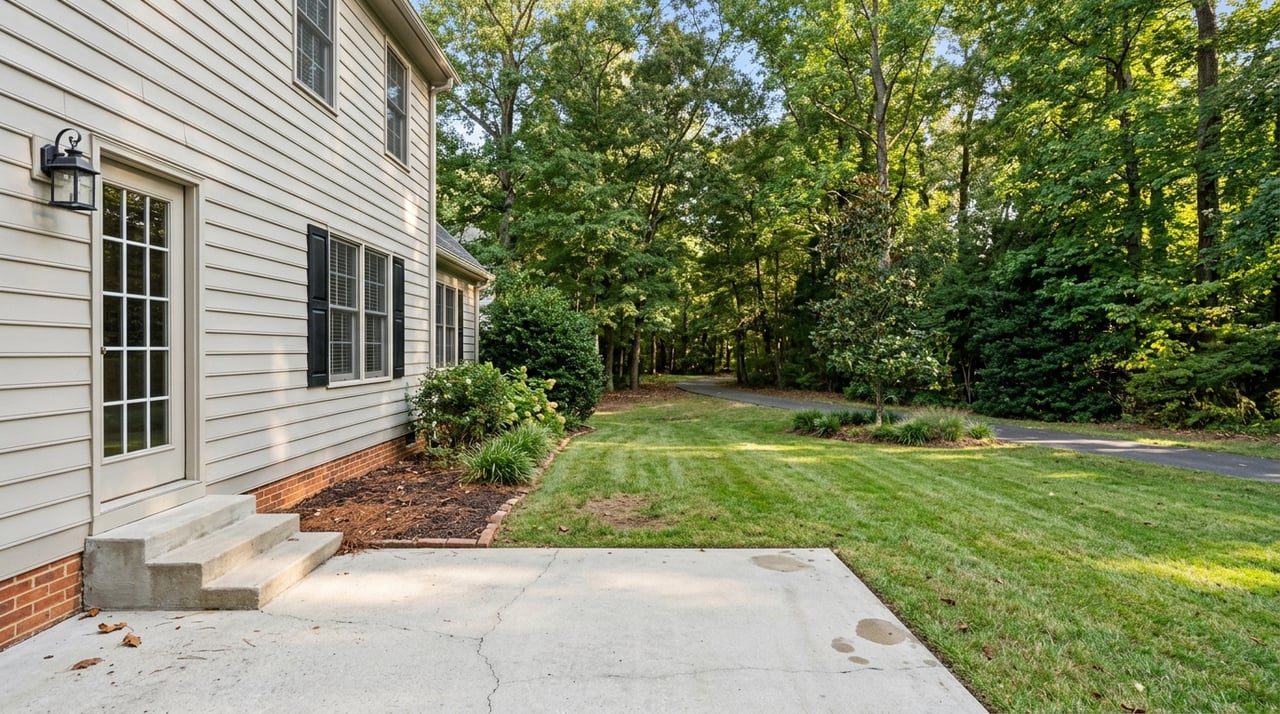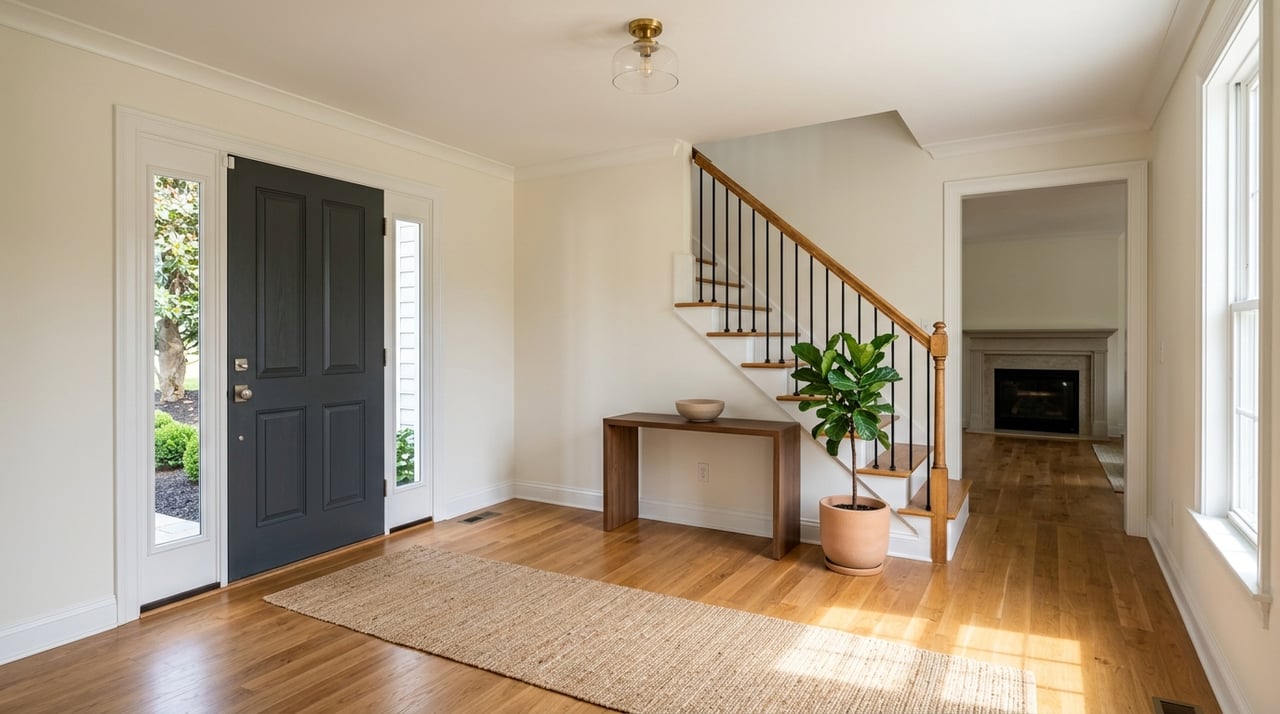
Moving out of Johns Creek before your home sells can feel like trying to manage two full-time jobs at once. You are juggling a new city, a moving schedule, and a major financial decision, all while trying to make sure your Georgia home shows well and closes on time. The good news is that a long-distance sale can run smoothly with the right plan, the right local support, and a clear timeline. Let’s dive in.
Why relocation sales need a plan
Selling while relocating adds pressure because you are coordinating logistics from a distance. You may need to prep the home, review offers, sign documents, and manage closing details without being in Johns Creek day to day.
That is why a step-by-step approach matters. In a market like Johns Creek, where current trackers point to healthy demand but also show that pricing and presentation still matter, small details can affect your timing and outcome.
What the Johns Creek market means for you
Johns Creek is a suburban city in metro Atlanta, about 25 miles north of Atlanta, with a reported population of 80,401 as of July 2025. The city covers 32 square miles and is known for its suburban setting and access to the broader north-Atlanta area.
Recent market reports vary by methodology, but they tell a similar story. Redfin reported a median sale price of $734,560 and 27 median days on market, Zillow reported a typical home value of $706,441 and 23 days to pending, and Realtor.com reported a median listing price of $735,550 with a 99% sale-to-list ratio and 33 median days on market.
For you, that means demand may be solid, but you should not assume your home will sell itself. A relocation sale still needs smart pricing, polished presentation, and a clean launch strategy.
Start with pricing and timing
When you are moving out of town, timing matters almost as much as price. If you price too aggressively, your home may sit longer while you are already paying attention to your next move. If you underprice without a strategy, you may leave money on the table.
A data-informed pricing approach can help you balance speed and value. In a market where homes are often moving in a few weeks, your goal is usually to hit the market in strong condition and attract serious buyers early.
Prepare the home before you go
If possible, handle as much pre-listing work as you can before your relocation is fully underway. This reduces last-minute stress and makes it easier for your home to show well once you are gone.
A strong seller prep plan usually includes decluttering, depersonalizing, deep cleaning, basic repairs, and staging. These steps help buyers focus on the home itself and can make your online presentation stronger from day one.
Focus on the big-impact tasks
Before listing, prioritize the items that most affect photos and showings:
- Declutter rooms, closets, counters, and storage areas
- Depersonalize by removing highly personal items
- Deep clean the home from top to bottom
- Take care of visible repairs
- Stage key spaces so they feel open and functional
If the home will be vacant after your move, staged or partially staged rooms can help buyers understand scale and layout more easily.
Get showing-ready systems in place
Even after you move, your home needs to stay show-ready. A simple checklist can keep things consistent if cleaners, stagers, or local helpers are involved.
Before showings, it helps to:
- Clear counters and wipe surfaces
- Neutralize odors
- Open window treatments
- Turn on lights
- Make sure the home looks neat and bright
Use remote-friendly marketing
When you are not local, your marketing matters even more because it has to do more of the work upfront. Most buyers begin online, so your home needs to make a strong first impression before anyone schedules a visit.
High-resolution photography and video tours are especially important. According to NAR consumer guidance, professional photos and video are a must because buyers shop online first, and national buyer data shows 39% of buyers rated virtual tours very useful while 27% rated videos very useful.
What a strong launch should include
A well-prepared relocation listing should usually include:
- Professional photography
- Video or virtual-tour content
- MLS exposure for broad reach
- Strategic pricing
- Social media promotion
- Signage and open-house planning where appropriate
NAR also notes that the first open house held the weekend after the property goes live can help maximize exposure, assuming there is no major competing event conflict.
Why local coordination matters
Selling from another city or state is much easier when someone local is managing the moving parts. You may not be available to meet photographers, review staging adjustments, check the home between showings, or respond quickly to in-person needs.
That is where a local listing team can add real value. NAR reported that 86% of sellers used an agent or broker and 86% listed on the MLS, and its seller guidance notes that agents help coordinate showings, open houses, staging, and marketing.
For relocation sellers in Johns Creek, local coordination can help with:
- Scheduling photography and staging
- Overseeing pre-listing prep
- Monitoring showing feedback
- Coordinating open houses
- Managing offer deadlines and negotiations
- Keeping the sale moving while you focus on your move
Plan for documents and closing from a distance
Many sellers worry most about paperwork once they leave Georgia. The good news is that Georgia law supports electronic records and signatures in many cases.
Under Georgia’s Uniform Electronic Transactions Act, a record or signature cannot be denied legal effect solely because it is electronic, and an electronic signature can satisfy a legal signature requirement. Georgia also authorizes electronic submission of real-estate documents through the GSCCCA eFile Portal under its e-recording rules.
That said, not every step is identical in every transaction. You should confirm with the closing attorney which documents can be signed electronically and which items, if any, still require notarization or an in-person step.
Review closing documents early
The closing period often feels shorter when you are moving at the same time. A useful benchmark from CFPB data found a median of 44 calendar days from mortgage application to closing, with half of mortgages closing in 35 to 57 days.
CFPB also says the lender must send the Closing Disclosure at least three business days before closing. You can also request the rest of the closing documents in advance, which gives you more time to review everything carefully from wherever you are living.
Build a relocation timeline
A written timeline can reduce stress and help you avoid missed tasks. When you are selling and moving at once, the easiest problems to avoid are usually the ones you put on a calendar early.
Here is a simple timeline framework you can use:
4 to 8 weeks before listing
- Finalize pricing strategy
- Declutter and depersonalize
- Complete cleaning, repairs, and staging prep
- Schedule photography and marketing rollout
- Interview movers if needed
Listing week
- Confirm the home is fully show-ready
- Launch photography, video, and MLS marketing
- Review showing instructions
- Plan the first open house timing if it fits your strategy
Under contract
- Track deadlines closely
- Confirm what can be signed electronically
- Request closing documents in advance when possible
- Coordinate any repair access or walkthrough logistics
Final week before closing
- Review the Closing Disclosure
- Arrange utility changes a few days before closing
- Confirm move-out details and property access
- Double-check mail forwarding and address updates
Handle moving logistics early
If your move crosses state lines, vet your mover carefully. FMCSA says the mover should provide a written estimate based on an actual or virtual inspection.
FTC guidance also warns consumers to be cautious about movers who demand cash, ask for large deposits, leave paperwork blank, or do not provide a local address or registration and insurance information. A little extra screening upfront can protect your budget and your timeline.
Don’t forget mail and utilities
Mail and utility details are easy to push aside, but they matter during a relocation sale. USPS says you can submit a permanent change of address when moving, or a temporary change if the relocation lasts 15 days to 1 year.
Mail forwarding may begin within 3 business days, but USPS recommends allowing up to 2 weeks. A permanent change-of-address order forwards First-Class mail for 12 months and periodicals for 60 days.
Utilities should also be part of your closing checklist. CFPB recommends arranging utilities a few days before closing, which can help avoid service gaps or billing confusion.
Update your records after closing
Once the sale is complete, finish the back-office details of your move. CFPB recommends updating your address with banks, credit card issuers, investment or retirement account companies, the DMV, insurance carriers, and other services that send statements or bills.
This step is not glamorous, but it helps you avoid missed notices and keeps your transition organized.
How to make the process easier
A relocation sale is easier when you treat it like a project with clear owners, deadlines, and communication. You do not need to do everything yourself, but you do need a system.
The most effective approach is usually a mix of thoughtful prep, market-based pricing, strong digital marketing, and reliable local coordination. In Johns Creek, where homes can move quickly but still require strong presentation, that combination can help you protect both your time and your sale price.
If you are preparing to sell a Johns Creek home while relocating, working with a local team that can manage details on the ground can make the process far less stressful. For tailored guidance, pricing strategy, and hands-on listing support, connect with David Huang.
FAQs
What makes selling a Johns Creek home while relocating different from a typical sale?
- A relocation sale adds extra moving parts, including remote home prep, long-distance document signing, closing coordination, and scheduling around your move timeline.
How fast do homes typically sell in Johns Creek?
- Recent reports showed median market times ranging from 23 days to pending to 33 median days on market, depending on the source and methodology.
Can you sign Georgia home-sale documents electronically from another location?
- In many cases, yes. Georgia law recognizes electronic signatures, but you should confirm with the closing attorney which documents can be signed electronically and whether any notarized or in-person step is still required.
What marketing matters most when selling a Johns Creek home remotely?
- Professional photography, video, virtual-tour content, MLS exposure, strategic pricing, and a well-timed launch are especially important because many buyers start their search online.
When should you set up mail forwarding during a relocation from Johns Creek?
- USPS says mail forwarding may start within 3 business days, but recommends allowing up to 2 weeks, so it is smart to submit your change of address early.
What should you do with utilities when closing on a Johns Creek home sale?
- Arrange utility changes a few days before closing so service and final billing line up with your move-out and closing dates.